Source Wooden Montessori Stacking Puzzle for Learning
Explore 30 verified options for the wooden montessori stacking puzzle designed for early childhood development. Buyers can compare eco-friendly materials, safety certifications, and customization features to find the ideal educational toy for retail or promotional use; compare the available evidence and request quotations based on your requirements.
Key considerations
Products List


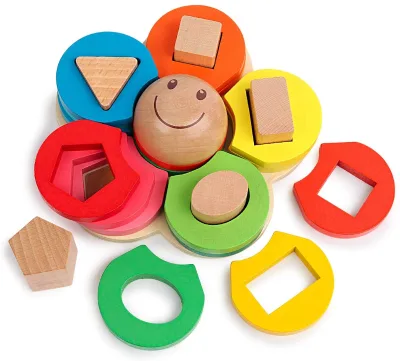


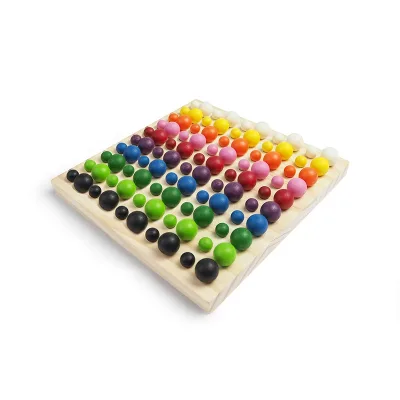
Comprehensive Sourcing Guide
Wooden Montessori Stacking Puzzle Sourcing Guide
Sourcing wooden Montessori stacking puzzles requires a disciplined approach to balancing educational value with rigorous safety standards. These toys are designed to enhance fine motor skills, spatial reasoning, and cognitive development in young children, making them a staple in early childhood education and retail. Buyers must prioritize materials that are not only durable but also free from harmful chemicals, ensuring the product aligns with modern parental expectations for eco-friendly and non-toxic playthings. The visual appeal of multi-colored designs often drives initial interest, but the underlying construction quality determines long-term customer satisfaction and repeat orders.
The procurement landscape for these items is characterized by a wide variety of models and customization options. Suppliers frequently offer support for custom logos and packaging, allowing brands to differentiate their offerings in a competitive market. However, this flexibility introduces complexity in quality control, as each customization request must be meticulously verified against safety and durability benchmarks. Buyers should focus on establishing clear specifications early in the negotiation process to avoid discrepancies between the initial sample and mass production, ensuring that the final product meets both aesthetic and functional requirements.
Product Scope and Observed Listing Signals
The current market for wooden Montessori stacking puzzles presents a diverse range of product attributes that buyers must carefully evaluate. Observed listings indicate a price range of $0.5 to $15 USD, reflecting variations in material quality, design complexity, and packaging standards. Minimum order quantities typically span from 50 to 1,008 units, providing flexibility for both small boutique brands and large-scale retailers. These signals suggest that buyers can find suitable partners regardless of their volume requirements, but they must weigh the cost implications of smaller orders against the economies of scale available with larger commitments.
Product categorization often includes labels such as "Pure Wooden Toys," "Intellectual Toys," and "Educational Toy," which help in identifying the intended use and target audience. Many suppliers highlight eco-friendly features, including the use of non-toxic paints and sustainable wood sources, which are critical for marketing to environmentally conscious consumers. Additionally, the presence of certifications like ASTM, CE, and EN71 in listing details serves as a preliminary indicator of compliance, though buyers must verify these claims directly with the supplier to ensure authenticity and relevance to their target markets.
Technical Specifications to Verify
Technical verification begins with confirming the material composition and construction methods used in the stacking puzzles. Buyers should insist on documentation that proves the use of solid wood or high-quality plywood, avoiding products that rely heavily on plastic components unless explicitly specified. The finish is equally important; non-toxic, water-based paints are preferred to ensure safety during play. Suppliers often provide details on dimensions, such as standard sizes like 29.529.53.5 cm or larger variants, which must be checked against packaging constraints and shelf display requirements to optimize logistics and retail presentation.
Packaging specifications are a critical technical aspect that impacts both product protection and environmental impact. Common packing methods include paper cartons, outer cartons, and polybags, with some suppliers offering palletization for bulk shipments. Buyers must verify the carton dimensions and weight, such as a carton size of 504040cm or a product weight of 0.5kg, to calculate shipping costs accurately. Additionally, the inclusion of color boxes or specific packing quantities, like 30 pieces per carton, should be confirmed to ensure that the packaging aligns with brand identity and retail readiness, minimizing damage during transit and enhancing unboxing experience.
Compliance and Safety Documentation
Compliance with international safety standards is non-negotiable for wooden toys sold in major markets. Buyers must request and verify certificates for ASTM F963-96a for the US market, EN71 for Europe, and AS/NZS 8124.1:2016 for Australia and New Zealand. These certifications ensure that the toys meet rigorous requirements for mechanical and physical properties, flammability, and chemical migration. It is essential to confirm that the certification applies specifically to the product model being sourced, as standards can vary between different designs and materials, even within the same supplier’s catalog.
Beyond formal certifications, buyers should assess the supplier’s internal quality control processes regarding chemical safety. The use of non-toxic paints and eco-friendly materials must be backed by laboratory test reports from accredited third-party agencies. These reports should detail the results of tests for heavy metals, phthalates, and other hazardous substances. Buyers should also inquire about the source of the wood, considering whether suppliers adhere to sustainable forestry practices, although specific FSC certification status should be verified directly rather than assumed from general marketing claims.
Cost Drivers and Commercial Terms
Several factors influence the final cost of wooden Montessori stacking puzzles, with material quality and customization being primary drivers. The use of premium, sustainably sourced wood and non-toxic finishes increases production costs but enhances marketability and safety. Customization options, such as logo printing and unique packaging designs, add to the complexity and expense of production. Buyers should negotiate clearly on these variables, understanding that higher customization levels may result in longer lead times and higher unit prices, which must be balanced against the potential for brand differentiation and higher retail margins.
Commercial terms, including minimum order quantities and payment structures, play a significant role in procurement strategy. With MOQs ranging from 50 to over 1,000 units, buyers must align their order sizes with their sales forecasts and storage capabilities. It is advisable to discuss payment terms that mitigate risk, such as using secure escrow services or negotiating partial payments upfront with the balance upon shipment. Additionally, buyers should clarify who bears the cost of shipping and insurance, as these can significantly impact the total landed cost, especially when sourcing from distant manufacturing hubs like Zhejiang, China.
Supplier Qualification and Quality Control
Supplier qualification involves a thorough assessment of their manufacturing capabilities and quality assurance systems. Buyers should request factory audits or third-party inspection reports to verify production conditions, workforce safety, and environmental compliance. Suppliers located in established manufacturing regions like Lishui, Zhejiang, often have mature supply chains, but buyers must still verify their capacity to handle specific order volumes and customization requests. Establishing a clear communication channel for technical queries and sample approvals is crucial to ensuring that the supplier understands and can meet the buyer’s specific requirements.
Quality control measures must be implemented at multiple stages of production, from raw material inspection to final product packaging. Buyers should define acceptable quality limits (AQL) for defects such as splinters, paint chipping, or structural instability, and require pre-shipment inspections to verify compliance. It is also important to establish a protocol for handling defective goods, including replacement policies and cost responsibilities. By maintaining rigorous quality control standards, buyers can minimize the risk of product recalls and protect their brand reputation in the competitive toy market.
Long-Term Procurement Checks
Long-term procurement success depends on continuous monitoring of supplier performance and market trends. Buyers should regularly review supplier delivery times, product consistency, and responsiveness to issues. Establishing a performance scorecard that tracks key metrics such as on-time delivery rate, defect rate, and communication efficiency can help identify potential problems early. Additionally, staying informed about changes in safety regulations and consumer preferences is essential for maintaining product relevance and compliance. Regularly updating specifications and requirements ensures that the sourced products remain aligned with market demands and regulatory standards.
Building a resilient supply chain involves diversifying suppliers and maintaining strong relationships with key partners. Buyers should consider engaging with multiple suppliers to mitigate risks associated with single-source dependencies, such as production delays or quality issues. Regularly revisiting commercial terms and negotiating improvements based on performance can lead to better pricing and service levels over time. By fostering a collaborative relationship with suppliers, buyers can benefit from their expertise in product development and innovation, ensuring a steady supply of high-quality wooden Montessori stacking puzzles that meet the evolving needs of their customers.
FAQs
What certifications do these wooden toys hold?
These toys hold multiple safety certifications including ASTM, CE, EN71, and AS/NZS 8124.1:2016. They are designed to meet international safety standards for children's products. The materials used are non-toxic and eco-friendly, ensuring a safe play environment for kids aged three to eight years.
Can I customize the logo on these puzzles?
Yes, logo customization is available for these wooden stacking puzzles. Buyers can request specific branding to be applied to the product or packaging. This service allows businesses to create unique promotional items or branded educational toys that align with their specific marketing strategies and corporate identity.
What is the minimum order quantity for these items?
The minimum order quantity ranges from 50 to 1008 units depending on the specific model and customization requirements. Buyers should check the exact MOQ for their selected product model before placing an order. This flexibility helps accommodate different business sizes and inventory needs effectively.
How are these wooden puzzles packaged for shipping?
Products are typically packed in cartons, polybags, or color boxes depending on the specific item. Some larger orders may utilize palletization and outer cartons for secure transport. The packaging ensures the wooden toys remain protected during transit while maintaining their aesthetic appeal for retail display.
Which materials are used to make these toys?
These toys are primarily made from natural wood with non-toxic, eco-friendly paint. Some components may include ABS plastic for specific functional parts. The combination of wood and safe materials ensures durability while maintaining the educational and sensory benefits expected from Montessori-style stacking puzzles.
Where are these products manufactured?
These products are manufactured in China, specifically in locations like Lishui, Zhejiang. The origin ensures access to established woodworking industries and supply chains. Buyers can expect consistent quality and production capabilities from these regional manufacturing hubs.
What age group is suitable for these puzzles?
These puzzles are suitable for children aged 24 months and older, specifically targeting the 3 to 8 years range. The design supports cognitive development and fine motor skills appropriate for this developmental stage. They serve as excellent educational tools for early childhood learning and play.